

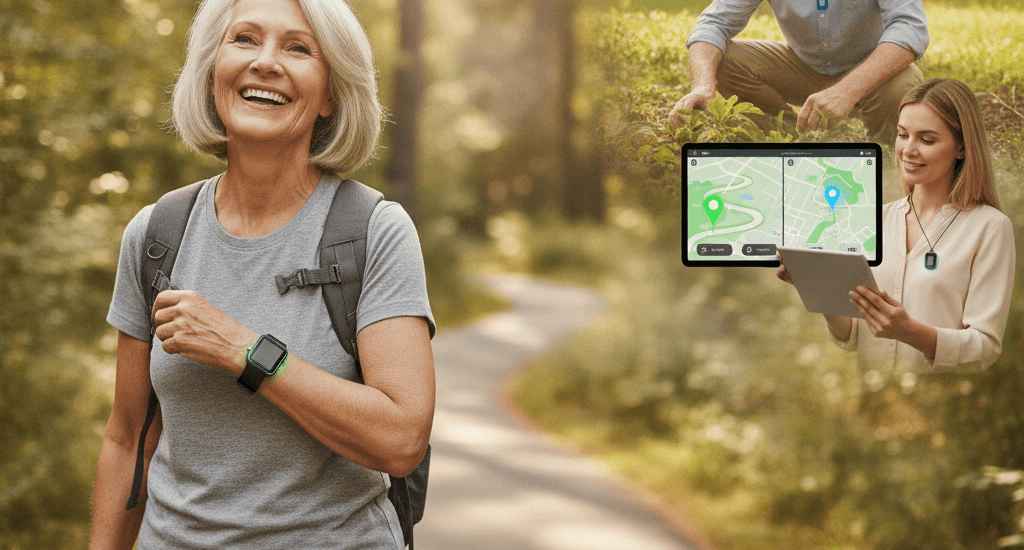
Many seniors treasure their independence, enjoying the freedom to live life on their own terms. This desire for autonomy is something I deeply understand and respect. As we get older, maintaining that independence can sometimes feel like a balancing act, where personal freedom meets the need for safety and security. It is a common concern for both seniors and their families.
I have seen firsthand how much peace of mind technology can bring to situations like this. Finding the right tools allows seniors to confidently pursue their activities, whether it is a leisurely walk in the park or visiting friends across town. The goal is to enhance their freedom, not to restrict it.
That is why I believe in the power of modern solutions to support an independent lifestyle. When we talk about how Independent Seniors Stay Safe with GPS Monitoring, we are exploring a valuable way to uphold that cherished freedom. It is all about giving seniors the confidence to live their lives fully, with a reliable safety net in place.
Understanding the Need for Senior Safety Technology
The desire to remain independent is a powerful motivator for many seniors. They want to continue their routines, manage their own homes, and stay connected with their communities. This sense of self-reliance is crucial for their well-being and overall quality of life. I often hear from families who want to support this independence, but they also worry about potential risks like falls, wandering, or medical emergencies when they are not around.
Traditional safety measures, such as scheduled check-ins or living with family, can sometimes feel intrusive or limiting. Seniors often resist anything that makes them feel less capable or takes away their personal space. The ideal solution strikes a balance, offering robust protection without compromising their precious autonomy. This is where modern technology truly shines.
I have observed that the most effective safety tools are those that are discreet, easy to use, and integrate seamlessly into a senior’s daily life. They should not draw unnecessary attention or require complicated setup. The technology should be a quiet guardian, always there but rarely noticed unless needed. This approach helps seniors feel empowered, knowing they have a backup without feeling constantly supervised.
Balancing Independence and Caregiver Concerns
For families, the concern for their senior loved ones is always present. They want to ensure safety but also honor their relatives’ wishes for independence. This can be a tough line to walk.
I have spoken with many caregivers who struggle with this balance. They often feel torn between respecting autonomy and ensuring their loved one is protected. Technology offers a way to bridge this gap, providing reassurance to families while allowing seniors to maintain control over their lives.
How GPS Monitoring Works for Independent Seniors Stay Safe
GPS monitoring systems are sophisticated yet simple tools designed to pinpoint a person’s location in real time. They use satellite technology to accurately track movements, providing a crucial safety net for independent seniors. These devices come in various forms, so there is usually an option that fits different lifestyles and preferences. I have seen them integrated into watches, pendants, or even small, discreet clip-on devices.
The core function is straightforward. The device transmits location data to a secure platform that can be accessed by authorized family members or caregivers. If a senior wanders off course, gets lost, or experiences an emergency, their location can be quickly identified. This means help can be dispatched precisely where it is needed, saving valuable time in critical situations. It is a powerful tool for maintaining safety.
Beyond basic tracking, many modern GPS monitors offer additional features. Some include fall detection, automatically alerting contacts if a sudden impact is registered. Others have a prominent SOS button that seniors can press if they feel unsafe or need immediate assistance. These added functionalities transform a simple tracker into a comprehensive safety device. I find these extra features incredibly valuable.
Different Types of GPS Devices for Seniors
The market offers a range of GPS tracking devices tailored for seniors. I have explored many of these options, and each has its own benefits.
Wearable devices, like smartwatches or pendants, are popular choices because they are always on the person. Mobile apps with GPS tracking capabilities can be another option, but they depend on the senior consistently carrying their smartphone. Then there are devices designed for specific conditions, such as those for individuals with dementia who might be prone to wandering. Choosing the right device often comes down to the individual senior’s comfort and routine.
Key Benefits of GPS Monitoring for Seniors and Families
The advantages of GPS monitoring extend far beyond simple location tracking. For independent seniors, it is a significant boost to their confidence and peace of mind. They know that if an unexpected situation arises, they are not truly alone. This reassurance empowers them to continue engaging in activities they love, exploring their neighborhood, and maintaining their social connections without constant worry. I have seen this shift in confidence firsthand.
For families, the benefits are equally profound. The constant worry about a parent or grandparent getting lost or falling when out alone can be overwhelming. GPS monitoring offers immediate relief from this anxiety. Knowing that they can quickly locate their loved one in an emergency, or even just check in on their general whereabouts, provides immense peace of mind. It allows families to support independence while still fulfilling their caregiving role effectively.
Furthermore, this technology can significantly improve response times in emergencies. If a senior falls in a remote area or gets disoriented, traditional methods of searching can take hours. With GPS, their exact location is known, allowing emergency services to reach them much faster. This can be critical for health outcomes, especially for injuries or medical events where time is of the essence. It is a proactive approach to safety.
Enhanced Independence and Freedom of Movement
I consider the increased independence to be the greatest benefit. Seniors can freely pursue their interests, whether it is gardening, walking, or visiting friends, with the knowledge that help is accessible.
This freedom is vital for mental and physical health. It allows them to maintain a rich, active life, which is a core part of staying well. Family members can feel comfortable supporting these activities, knowing there is a reliable safety net.
Peace of Mind for Caregivers
Caregivers carry a heavy emotional load. I know many who constantly worry about their loved ones. GPS monitoring lessens this burden considerably.
It means fewer frantic phone calls and less anxiety about daily activities. This peace of mind allows caregivers to focus on other aspects of their lives, knowing a silent guardian is always watching over their senior relative. This contributes to a healthier relationship between the senior and their family.
Addressing Common Concerns about GPS Monitoring
When considering GPS monitoring for independent seniors, people often raise valid questions and concerns. A primary worry I encounter is privacy. Many seniors value their personal space and fear that a tracking device might feel like an invasion of their privacy. It is important to emphasize that these systems are designed to be a safety tool, not a surveillance tool. Access to location data is typically restricted to authorized family members or caregivers, and it is used only when necessary or in an emergency. The key is clear communication and consent from the senior right from the start.
Another common concern is ease of use. Seniors, especially those who are not tech-savvy, might worry about complicated devices or interfaces. I always recommend looking for devices that are incredibly simple to operate, perhaps with just one emergency button or automatic features like fall detection. Wearable options like pendants or watches are often preferred because they are familiar and easy to wear daily. The goal is to make the technology helpful, not a source of frustration.
Battery life and reliability are also crucial points. A GPS device is only useful if it is charged and working. I advise choosing devices with long battery life and setting up a clear routine for charging, perhaps nightly alongside other personal electronics. Reputable providers usually offer robust, weather-resistant devices and strong network connectivity to ensure reliable tracking. These practical considerations are vital for the system’s effectiveness. Effective GPS monitoring senior living programs address these head-on.
Maintaining Privacy and Trust
Building trust is paramount when introducing GPS monitoring. I always suggest involving the senior in the decision-making process.
Explain the “why” behind the technology, focusing on their safety and continued independence. Reassure them that their location will only be checked when there is a concern or emergency, not for constant surveillance. This open conversation fosters trust and makes the senior more likely to embrace the device.
User-Friendliness and Adoption
The simpler the device, the better the chance of adoption. I find that devices that blend into everyday items, like a watch, are often more readily accepted.
Practice using the device together, and make sure the senior feels comfortable with its functions, especially the emergency button. Gradual introduction and patient guidance can make a big difference in successful implementation.
Choosing the Right GPS Monitoring System
Selecting the ideal GPS monitoring system for an independent senior requires careful consideration. I advise families to first assess the individual’s lifestyle and specific needs. Does the senior live an active life and frequently go out? Or are they more home-bound but have a risk of falls? Understanding their routine and potential challenges helps narrow down the options. For instance, an active senior might prefer a discreet watch, while someone with mobility issues might benefit from a device with advanced fall detection.
Next, it is important to evaluate the features offered by different systems. Look beyond basic tracking. Consider if features like geofencing are important. This allows caregivers to set safe zones, and an alert is sent if the senior leaves a designated area. Two-way communication, often available through some devices, can also be invaluable, letting the senior speak directly to a caregiver or emergency service with the press of a button. I always recommend prioritizing features that directly address the senior’s biggest safety concerns.
Finally, consider the provider’s reputation, customer support, and subscription costs. A reliable company will offer clear pricing, excellent technical support, and a history of positive customer feedback. Read reviews and compare different services. A great system is only as good as the support behind it, so choose a provider that stands by its product and offers responsive assistance. This ensures long-term effectiveness and peace of mind.
Factors to Consider When Selecting a Device
When I help families choose, I focus on a few key factors. The device’s form factor is important, whether it is a pendant, a watch, or a clip-on.
Battery life, water resistance, and alert customization are also critical. Consider if the senior will remember to wear and charge it, or if something more automated is needed. These practical details make a big difference in daily use.
Evaluating Service Providers and Support
A good service provider is like a silent partner in senior safety. I look for companies that offer 24/7 monitoring services, not just self-monitoring by family.
Their customer service should be easy to reach and helpful. Understanding their emergency response protocols is also essential. A reliable provider ensures that the technology works smoothly when it matters most.
Embracing Technology for a Safer, More Independent Future
Embracing GPS monitoring means supporting a lifestyle of continued independence for seniors, combined with the assurance of safety. It allows them to keep their freedom, enjoy their daily routines, and pursue their passions without unnecessary worry. This technology helps build a bridge between the senior’s desire for autonomy and the family’s need for peace of mind. It is a modern solution that truly enhances quality of life for everyone involved.
As I have explained, there are many types of devices and features available, so finding the right fit for each individual is possible. From discreet wearables to systems with advanced fall detection and two-way communication, these tools offer robust protection. The key is to involve the senior in the selection process, address any privacy concerns with open conversation, and choose a reliable service provider. When these steps are followed, GPS monitoring becomes a powerful ally in senior care.
I encourage families and seniors to explore these options together. It is an investment in freedom, safety, and reassurance, allowing independent seniors to stay safe and thrive in their own homes and communities. This technology is not about control, but about empowering a confident and secure future. Consider how a well-chosen GPS monitoring system could transform daily life for your loved ones. Take the step to learn more and give them the gift of empowered independence today.